MoES Sponsored M.Sc. Marine Biology Course with M.K Bhavnagar University
Gujarat, located on the western coast of India, boasts the country's longest coastline, stretching over 1,600 kilometers. This extensive coastline is home to a variety of marine ecosystems and mangroves that play a vital role in maintaining ecological balance and supporting local livelihoods. The state's marine and coastal biodiversity is unique and supports a range of flora and fauna, making Gujarat a hotspot for marine conservation. Bhavnagar is traditionally known for its cultural heritage in the western India with its last princely ruler Shri Krishnakumarsinhji who was the first to donate his princely state to the Nation. Mahatma Gandhi, the father of the nation received his initial college education in Shamaldas College during 1888, which is today run by Maharaja Krishnakumarsinhji Bhavnagar University. Bhavnagar District is situated between 21.18-22.18 Longitude and 71.51-72.18 Latitude. The district encompasses a total area of 12,048 sq. km. The MSc Marine Biology program at Maharaja Krishnakumarsinhji Bhavnagar University is designed to produce highly skilled marine biologists capable of addressing the challenges and opportunities within the marine-based industry, research community, and relevant stakeholders. The program aims to cultivate a cadre of researchers and scientists specializing in marine biology through advanced post-graduate education and research endeavors.
Recent developments in marine biology have been driven by technological advancements, increased environmental awareness, and the growing urgency to address challenges such as climate change and biodiversity loss. The Deep Sea Mission primarily aims to establish international collaborations to explore, study, and potentially exploit resources in the deep sea. These missions often involve advanced technological capabilities, interdisciplinary research teams, and long-term objectives aimed at expanding scientific knowledge and addressing environmental. economic. and geopolitical interests apart from Sustainable Development Goals. In this regard, the existing M.Sc. Marine Biology program required transformation and integration of recent advances,
- Remote Sensing and GIS: Improvements in satellite technology and geographic information systems (GIS) have enhanced our ability to monitor and map marine ecosystems, track changes in sea surface temperature, and identify marine habitats.
- DNA Sequencing and Metagenomics: Advances in DNA sequencing techniques and metagenomics have revolutionized our understanding of marine biodiversity, allowing for discovering new species and studying microbial communities in marine environments.
- Autonomous Underwater Vehicles (AUVs): AUVs equipped with sensors and cameras are being used to explore deep-sea environments and conduct surveys of marine organisms with minimal human intervention.
- Plastic Pollution and Microplastics: Increasing concern and research focus on the impacts of plastic pollution and microplastics on marine organisms, ecosystems, and human health, prompting efforts to reduce plastic waste and improve waste management practices.
- Marine Biotechnology: Exploration of marine organisms for biotechnological applications, such as pharmaceuticals, biomaterials, and biofuels, leveraging unique biochemical properties and genetic resources found in marine biodiversity.
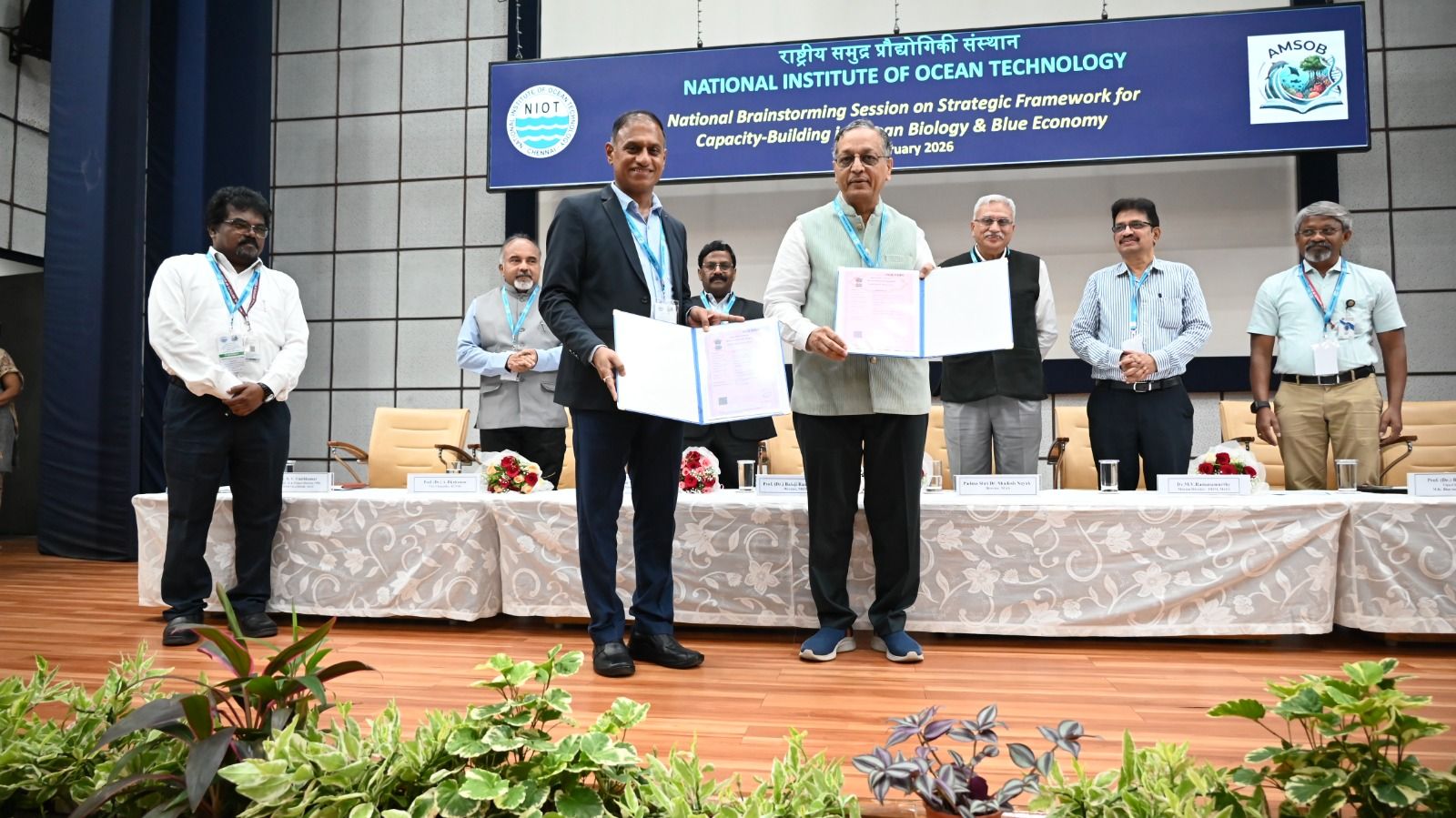
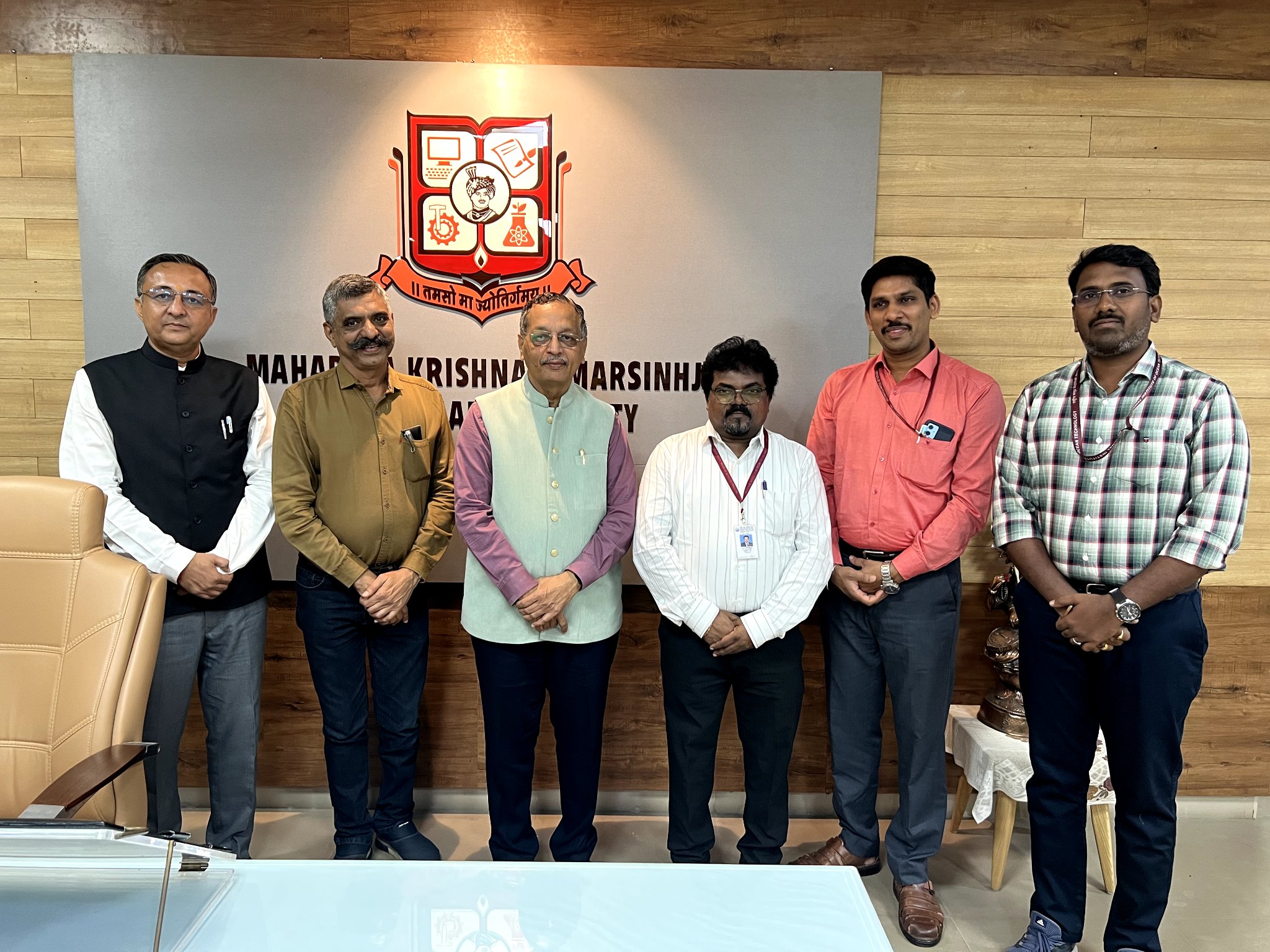
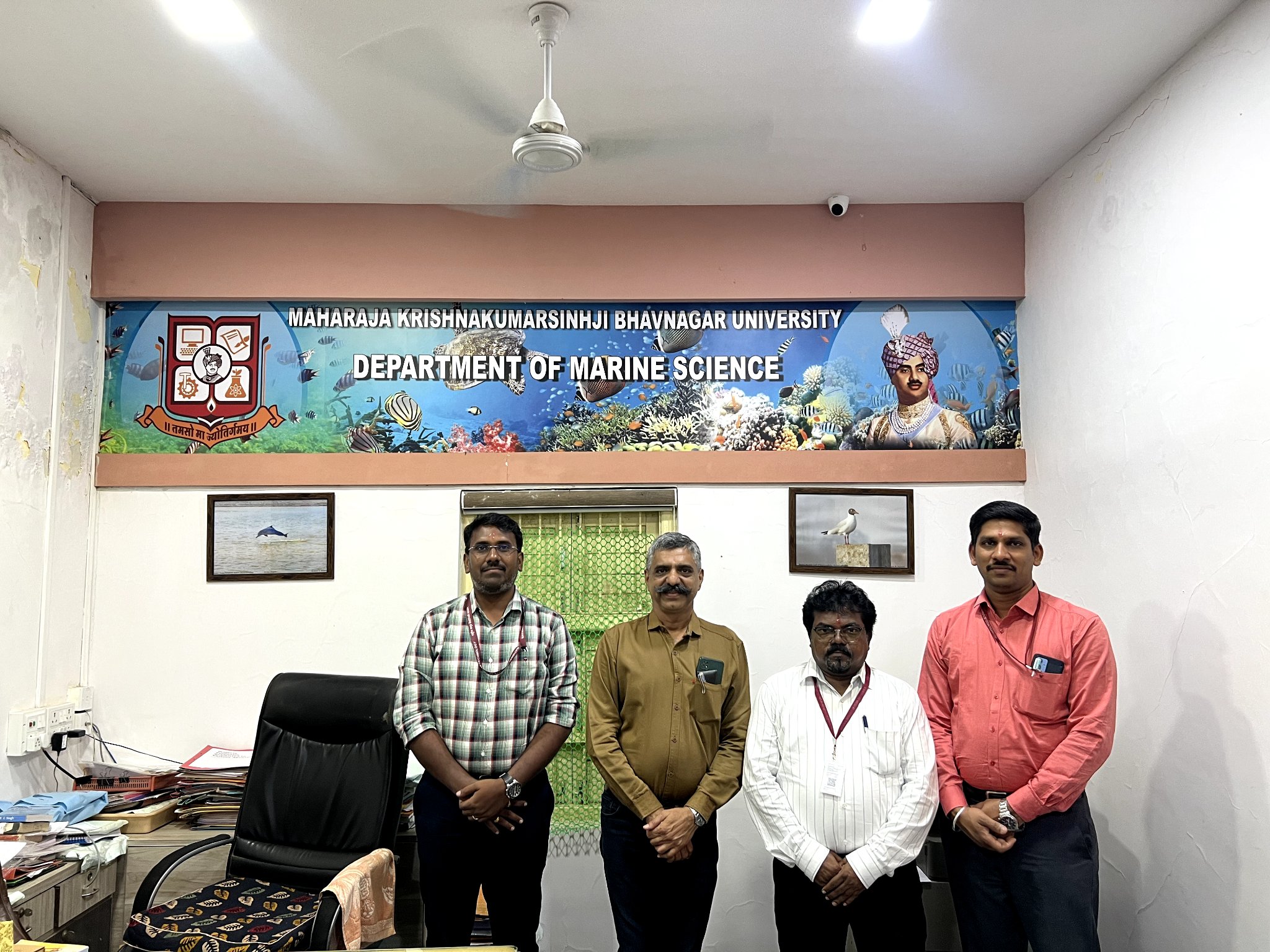
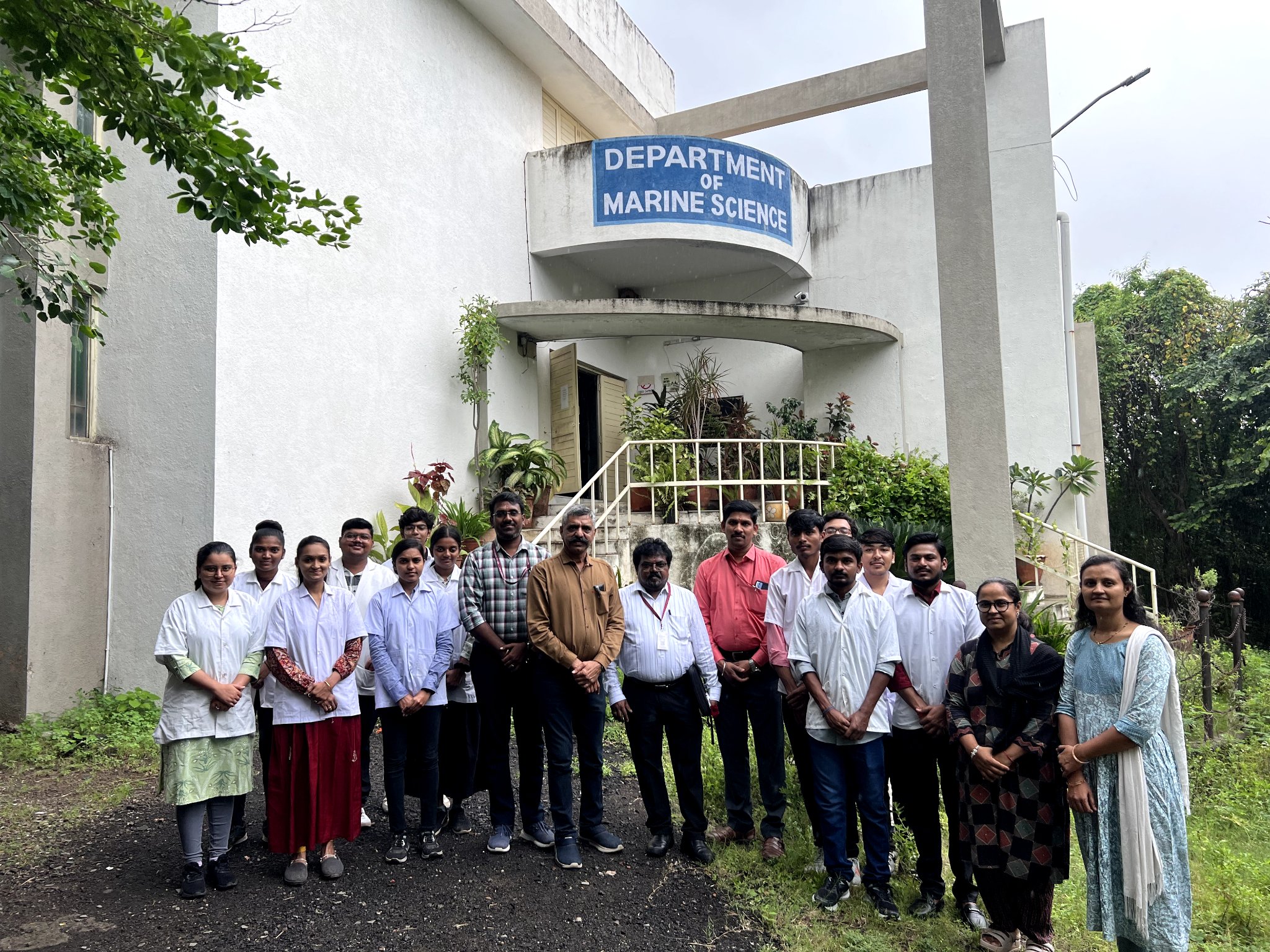
While these advanced studies are not integrated in the present courses, it is intended to provide short term trainings in the above subject areas. Further these areas will include in the course curriculum. These developments highlight the interdisciplinary nature of contemporary marine biology, where collaborations across scientific disciplines, technological innovations, and conservation efforts are essential for addressing the complex challenges facing our oceans. Both teaching and research in marine biology contribute significantly to our understanding of marine ecosystems and the conservation of marine biodiversity. It's a dynamic field where technological advancements and interdisciplinary collaboration are crucial for addressing current and emerging challenges facing our oceans. This programme is intended to advance the marine biology curricula and teaching modules with the support of MoES Deep Ocean Mission programme V6 - Advanced Marine Station for Ocean Biology executed through National Institute of Ocean Technology, Chennai.
The selection of students will be based On the Gujarat Common Admission Services (GCAS) being followed by the university as admission procedures. The students having bachelor degree in Marine Science/ Marine biology/Marine Ecology/Life sciences/ Zoology/ Botany/ Microbiology/Fisheries/Biotechnology etc are eligible for the admission in M.Sc. Marine biology.
As prescribed in the University Prospects Bachelor’s degree in Biotechnology/ Microbiology / Biochemistry/ Zoology/ Botany/ Fisheries/ Aquaculture /and other courses of Life Science.
-
Coordinator
- Prof. I. R Gadhvi.
|
PG course on M.Sc. Marine Biology curriculum |
|||
| Year | Semester | Course Name | Remarks |
|---|---|---|---|
| Year 1 | Semester 1 | Biological Oceanography | Compulsory Courses |
| Chemical Oceanography | |||
| Physical Oceanography | |||
| Geological Oceanography | |||
| Practical-1: Biological Oceanography & Chemical Oceanography | |||
| Practical-2: Physical Oceanography & Geological Oceanography | |||
| Year 1 | Semester 2 | Genetics, Molecular Biology & Biochemistry | Compulsory Courses |
| Biostatistics & Instrumentation | |||
| Conservation & Management of Marine Biota and Eco-tourism. | |||
| Coastal Disaster Management | |||
| Practical-3: Genetics, Molecular biology & Biochemistry | |||
| Practical-4: Biostatistics and Instrumentation | |||
| Year 2 | Semester 3 | Fisheries Science | Compulsory Courses |
| Aquaculture & Processing & preservation technology of fish, shellfish and its products | |||
| Marine Evolutionary biology and applied paleontology | |||
| Maritime studies & Research methodology/ Project/ Internship/ Dissertation | |||
| Practical-5: On the basis of Fisheries Science | |||
| Practical-6: On the basis of Aquaculture & Processing & preservation technology of fish, shellfish and its products | |||
| Year 2 | Semester 4 | Marine Pollution, Ocean Management and the Effect of Climate Change | Compulsory Courses |
| Coastal Regulation Zone, Various Coastal Resources and Remote Sensing | |||
| Environment Monitoring and Ocean Laws & Policies / Project / Internship / Dissertation | |||
| Marine microbiology and Biotechnology/Project / Internship/ Dissertation | |||
| Practical-7: On the basis of Marine pollution, Ocean management and effect of Climate change & Coastal Regulation Zone, various Coastal resources and Remote Sensing | |||
| Practical-8: On the basis of Marine microbiology and Biotechnology/ Project/Internship/ Dissertation | |||